
Smart appliances like connected refrigerators, thermostats, and robot vacuums offer convenience—but they can also introduce serious security risks. Learn about real hacking examples and discover steps you can take to keep your home network safe.
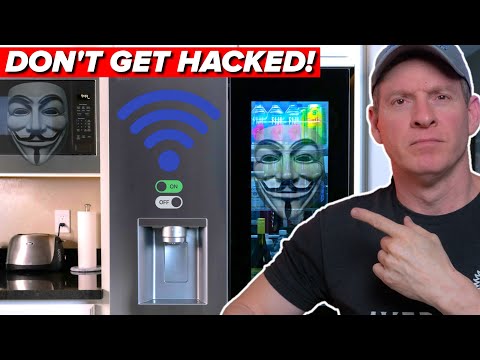
In 2023, smart kitchen appliance sales reached nearly $20 billion, with an 18% increase in 2024. While manufacturers push smart features as eco-friendly, consumers must weigh convenience against privacy risks.
Are smart appliances like this LG refrigerator worth the security risk to your home network? You might want to hold off on buying a smart appliance until you know the facts.
Since 2016, we’ve seen numerous IoT-based attacks. A DDoS attack that year even shut down Twitter, Reddit, and Netflix. In 2017, hackers accessed a casino’s high roller database through a smart fish tank thermometer. By 2019, Ring cameras were compromised, giving hackers access to audio and video feeds. In 2020, a baby monitor was hacked, allowing a stranger to communicate with a child. And in 2024, over 500,000 Roku accounts were breached.
The common factor? All of these incidents involved smart appliances or IoT (Internet of Things) devices. These connected gadgets often create vulnerabilities in your home network.
Examples of smart appliances include refrigerators, ovens, coffee makers, lights, security cameras, robot vacuums, and thermostats. These devices typically share three features:
For instance, this LG smart refrigerator offers features like:
But with these benefits come risks. The biggest concern is hacking. A smart fridge could serve as an entry point to your entire network. If a hacker gets in, they can spread malware to other devices on the same Wi-Fi.
Common hacking techniques include:
So why do companies continue to push smart appliances? It’s simple: revenue. In 2023, smart kitchen appliances generated nearly $20 billion. That number jumped by 18% in 2024. Much of the growth comes from marketing claims about eco-friendliness and cost savings—even if the savings are minimal.
To protect yourself, follow these tips:
The bottom line: Smart appliances can be convenient, but they do pose risks. If you take steps to protect your network, the risks can be minimized. But ask yourself—do you really need a smart coffee maker or oven?
Personally, I still enjoy some of the benefits—especially the KnockKnock InstaView fridge feature. And I use smart lights, thermostats, and even a robot vacuum daily. But now you know the risks—and how to stay protected.
The Ultimate Home Networking Build Guide 2024! The Perfect Video for Beginners or Intermediate Home Network builders! Enjoy!

This is the Reolink E1 Pro Super HD Pan & Tilt Camera. The review of this 4 megapixel Reolink camera is brought to you by the ...

How To Fix Your Network Panel! Happy Networking! Top Wireless Routers For Any Home Network Small Home: Wi-Fi 6 ...

Paying for fast internet but not getting it? You\'re probably making one of these mistakes. In this video I walk through 10 easy fixes ...

This video breaks down How Much I Make on YouTube. This is only Google Ad Revenue and not Amazon Affiliate Programs and ...

In this episode I will show step by step how to take apart a Pro-Form 585 CSE Elliptical Machine and move it down stairs.